Table Of Content

Because it’s a vasodilator, caffeine may also help improve blood flow to your scalp, promoting hair growth. While research on this remedy is limited, the juice did appear to promote hair growth in 20 of the 23 participants who tried it in a small 2002 study. Scientists believe that the potential hair-growing properties may be related to the onion’s sulfur content. People with alopecia areata may see regrowth after applying crude onion juice to their scalp twice per day.
If you have alopecia, can your hair grow back?
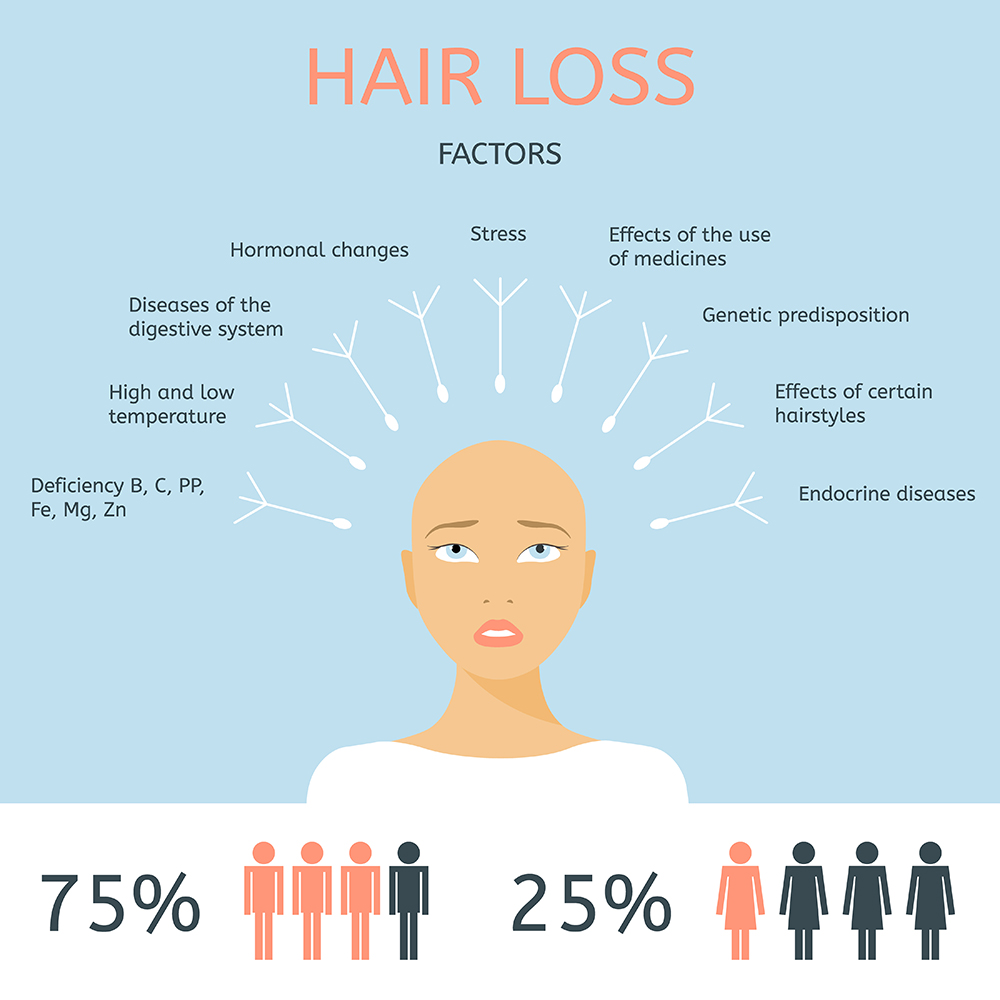
Here, dermatologists share what you need to know about alopecia, including possible causes, treatment options and what you can do to prevent more hair loss. Underlying conditions, like anemia (iron deficiency) and hypothyroidism (an underproduction of thyroid hormones) can also trigger the disorder. Studies indicate that laser therapy is safe and painless but requires many treatment sessions. To see a bit of hair growth, you may need several treatments a week for many months. This is considered the most effective treatment for people who have a few patches of alopecia areata, a condition that causes hair loss.
Best with Minoxidil: Hers Women’s Minoxidil 2% Topical Solution
You’ll need to stay on this treatment long-term to prevent losing your hair again. FPHL is more common after the menopause suggesting oestrogens may be stimulatory for hair growth. But laboratory experiments have also suggested oestrogens may suppress hair growth. If you have alopecia, you can help hold onto your tresses by avoiding behaviors that are known to contribute to temporary and permanent hair loss, Mirmirani says. When it doesn’t, a dermatologist may include one or more of these options in your treatment plan. Incorporating gentle, hydrating products into your hair care routine can also help strengthen your strands and improve texture.
Learn more about the many benefits and features of joining Harvard Health Online »
Treatments for hair loss include medications and surgery. Female pattern baldness (androgenetic alopecia) is the most common cause of hair loss in women, but there are many other potential causes. “The condition is thought to be hereditary and while it doesn't usually cause baldness like in men, it can still affect self-esteem and confidence. If you're concerned about female pattern baldness, talk to your doctor who can advise you on possible treatment options. Baldness is often hereditary, and is activated by a shift in your hormones.
What causes you to lose your hair, what you can do about it and how to get it back
In a small 2014 study, 11 participants saw 30% more growth in thinning areas after 4 PRP sessions. Pricing ranges from $1,500 to $3,500 for your first 3 treatments, and it’s unlikely to be covered by insurance. Getting platelet-rich plasma (PRP) injections into your scalp can help stimulate growth in areas already affected by hair loss. During this procedure, blood is run through a centrifuge to separate out the platelets and then injected into your scalp. The lauric acid found in coconut oil helps bind protein in hair, protecting it from breakage at the root and strand.
Hair loss in men and women: Debunking popular myths - TODAY
Hair loss in men and women: Debunking popular myths.
Posted: Fri, 16 Feb 2024 08:00:00 GMT [source]
Treatments are available for FPHL although there is no cure. It is important to manage expectations when seeking treatment, as the aim is to slow or stop the progression of hair loss rather than to promote hair regrowth. However, some women do experience hair regrowth with treatment. Results are variable, and it is not possible to predict who may or may not benefit from treatment.
28 best hair growth products for thinning hair - TODAY
28 best hair growth products for thinning hair.
Posted: Thu, 04 Apr 2024 07:00:00 GMT [source]
In some cases, the cause of hair loss is obvious — for example, if you're losing hair while going through chemotherapy. Other times, your healthcare provider will need to do some detective work to figure out what’s causing your hair loss. Sometimes hair loss is a sign of a condition called hyperandrogenism, which happens when your body makes too many androgens (male hormones). In women and others with female reproductive organs, its most common cause is polycystic ovary syndrome (PCOS). Along with hair loss, other signs of PCOS include weight gain, acne, and irregular periods. See your doctor if you are distressed by persistent hair loss in you or your child and want to pursue treatment.
It affects an estimated 80 million individuals in the U.S. Most healthy people lose up to 100 strands of hair per day. As part of your hair’s growth cycle, new strands grow and take the place of the ones you shed.
Menopause and hormone imbalances
Low-level laser therapy is of unproven benefit in pattern balding, but one device has been approved by the FDA for marketing. Platelet-rich plasma injections are also under investigation. Further studies are required to determine the magnitude of the benefit if any. To assess hair shedding, women should choose which of the six photographs of hair bundles best represents how much hair they shed on an average day. Finally, keep in mind that the same healthy habits recommended for maintaining your physical health will also help your hair. Try to find ways to manage stress, and strive for a well-balanced diet that includes plenty of fruits and vegetables.
Their effectiveness largely depends upon what type of alopecia you have and how quickly you start treatment. Hair loss and hair thinning can be temporary or permanent. It’s usually genetic, but it can also be triggered by diseases or disorders that attack the hair follicles.
Interested in learning more about your treatment options? To notice the full results, you may need to continue with one or a combination of treatments for several months. Hair loss can also be a side effect of some medications, especially chemotherapy medications to treat cancers. Hair loss is a complicated topic and the role of nutrition in preventing or treating hair loss can be somewhat controversial.
Women may experience hair loss during menopause due to reduced production of the hormones estrogen and progesterone. Menopause usually affects women between the ages of 45 and 55. For instance, if your hair tends to be dry, then “look for serums that contain oils to help hydrate the dry hair shaft,” says Dr. Shaver.
More hair falls out, but new strands don’t always grow back. The FDA has approved topical tretinoin cream and gel for skin care and supportive pro-aging purposes, but not for hair loss treatments. In some circumstances, tretinoin may cause hair loss, so it’s important to only try this medication with guidance from your doctor. This medication, which you can purchase over the counter (OTC), comes in foam or liquid form. It may cause more hair loss at first, and new growth may appear shorter and thinner than before.
If you’ve noticed signs of female pattern baldness, know you’re far from alone. According to the American Osteopathic College of Dermatology (AOCD), this condition is common in women, especially after menopause. Minoxidil (Rogaine) is a topical medication (the type you apply to your scalp) approved by the FDA for female pattern hair loss. It's is available over the counter as 2% and 5% solutions. It takes about 6-12 months of this once-daily use foam treatment to see results. But if your follicles become damaged, the hair loss may be permanent.
Hereditary hair loss will eventually progress despite surgery. Most baldness is caused by genetics (male-pattern baldness and female-pattern baldness). Speak with a doctor about any troubling hair loss, shedding, or thinning you may be experiencing. Your doctor can help determine the cause of your symptoms and put together a treatment plan.
Genes from parents may also affect the hair, causing smaller follicles and thinner strands. Deficiencies of vitamins, like vitamin D, and minerals, like iron, are believed to also contribute. However, whether it’s subtle thinning all over or a bare patch where the scalp can be seen, it can look different to the typical “baldness” you might expect. Cosmetic camouflages include coloured hair sprays to cover thinning areas on the scalp, hair bulking fibre powder, and hair wigs. Hair transplantation for FPHL is becoming more popular although not everyone is suitable for this procedure.